Save Crooked Mile
Brevard County is planning to construct a large sewage vacuum pump station in the middle of the residential and historic Crooked Mile neighborhood.
This plant will service raw sewage for hundreds of homes along South Merritt Island and will be build directly next to homes, playgrounds, community centers, and places of worship.
Join the fight alongside concerned Brevard County resident to stop this sewage station constuction and SAVE CROOKED MILE.


The Issue
Brevard County is moving forward with the Merritt Island Zone G Septic-to-Sewer Project. Backed by over $10.3 million in state grant funding, the county plans to mandate the conversion of 785 residential properties along South Tropical Trail from independent septic systems to a central sewer network. While protecting the Indian River Lagoon is a shared community goal, the current design of this project threatens the character, property values, and financial stability of the Crooked Mile neighborhood.
The Infrastructure Threat
To pump waste from 785 homes to the Sykes Creek treatment plant miles away, the county must install a centralized Vacuum Pump Station. In July 2026, the county purchased a 0.39-acre vacant residential lot located at 1485 S Oaks Drive for $299,000 to house this facility.
This lot is zoned Estate Use Residential (EU). Dropping a utility pump station into this location means bringing heavy infrastructure right to our doorsteps, including:
-
Street-level vacuum valves and manhole covers throughout the neighborhood.
-
Large, loud backup diesel generators required for hurricane outages.
-
High-maintenance mulch-bed biofilters. (Similar county vacuum stations in Florida have a documented history of lingering, raw sewage odor complaints when these filters are not perfectly maintained).
Ignored Alternative Locations
Bulldozing utility infrastructure into a residential subdivision was not the county's only option. In 2023, the county evaluated a much larger, 14-acre non-residential parcel further north. However, because the county did not want to purchase the full parcel at its appraised value, they abandoned the site. We firmly believe that saving money on land acquisition should not come at the expense of our neighborhood’s residential integrity.
The Financial Burden on Homeowners
Beyond the noise, odors, and torn-up roads, this project brings a severe financial mandate. If state grants fail to cover the neighborhood's connections, homeowners will be forced to hook up to the new sewer lines at an estimated out-of-pocket cost of $9,000 to $12,000 per property.
Our mission is to protect the natural beauty and cultural heritage of Merritt Island. We believe that development should respect the history of the land, not exploit it. By opposing this project, we are safeguarding the future of our community for those who came before us and those who will follow.

Critical Impacts

Toxic Gas Exposure
Sewer pump stations naturally accumulate and vent dangerous gases. According to the US EPA, a malfunctioning or poorly vented system can release hydrogen sulfide (H2S) and methane. Even at low concentrations, hydrogen sulfide causes headaches, nausea, and respiratory irritation, while prolonged or acute exposure is highly toxic and can cause neurological distress.

Pathogen Transmission
If a pump fails or a pressurized main cracks, raw, untreated sewage can overflow into yards, streets, and basements. This exposes residents-especially playing children and pets-to dangerous waterborne pathogens. According to the Galveston County Health District, these pathogens carry severe risks for illnesses like Gastroenteritis, E. coli, Hepatitis A, and Giardia.

Vector-Borne Disease
The wet wells inside pump houses hold stagnant organic waste before it is pressurized and moved. If the structure is not perfectly sealed, it creates a breeding ground for insects and rodents, increasing the neighborhood risk for vector-borne diseases.

Surface Water Contaminant
Pump house failures (often triggered by power outages, mechanical breakdowns, or blockages from fats, oils, and grease) cause immediate, localized flooding. Because residential neighborhoods are heavily paved, this raw sewage washes straight into local storm drains. Organizations like Triple D Pump note that this bypasses treatment facilities entirely, dumping highly concentrated nitrogen, phosphorus, and bacteria into local creeks, ponds, or rivers.

Wildlife Displacement
Merritt Island serves as a critical habitat for migratory birds and local manatees. Construction and industrial operations threaten to permanently displace these vulnerable species.

High Stress, Sleep Impact
Pump houses operate 24/7, using heavy industrial machinery. Studies on municipal waste sites archived by the National Institutes of Health (NIH) show that residents living close to these facilities report significantly higher rates of neural and sleep disorders due to persistent low-frequency vibration and foul odors.

Groundwater, Soil Pollution
Unlike gravity-fed lines, lift stations utilize high-pressure mains to push sewage uphill. Documented case studies by groups like Palm Island Estates demonstrate that pressurized lines are prone to high-velocity leaks. A subsurface crack can spray massive volumes of raw wastewater directly into local soil, tracking undetected until it severely poisons the shallow water tables that nearby homes might rely on for irrigation or well water.

Oak Tree Destruction
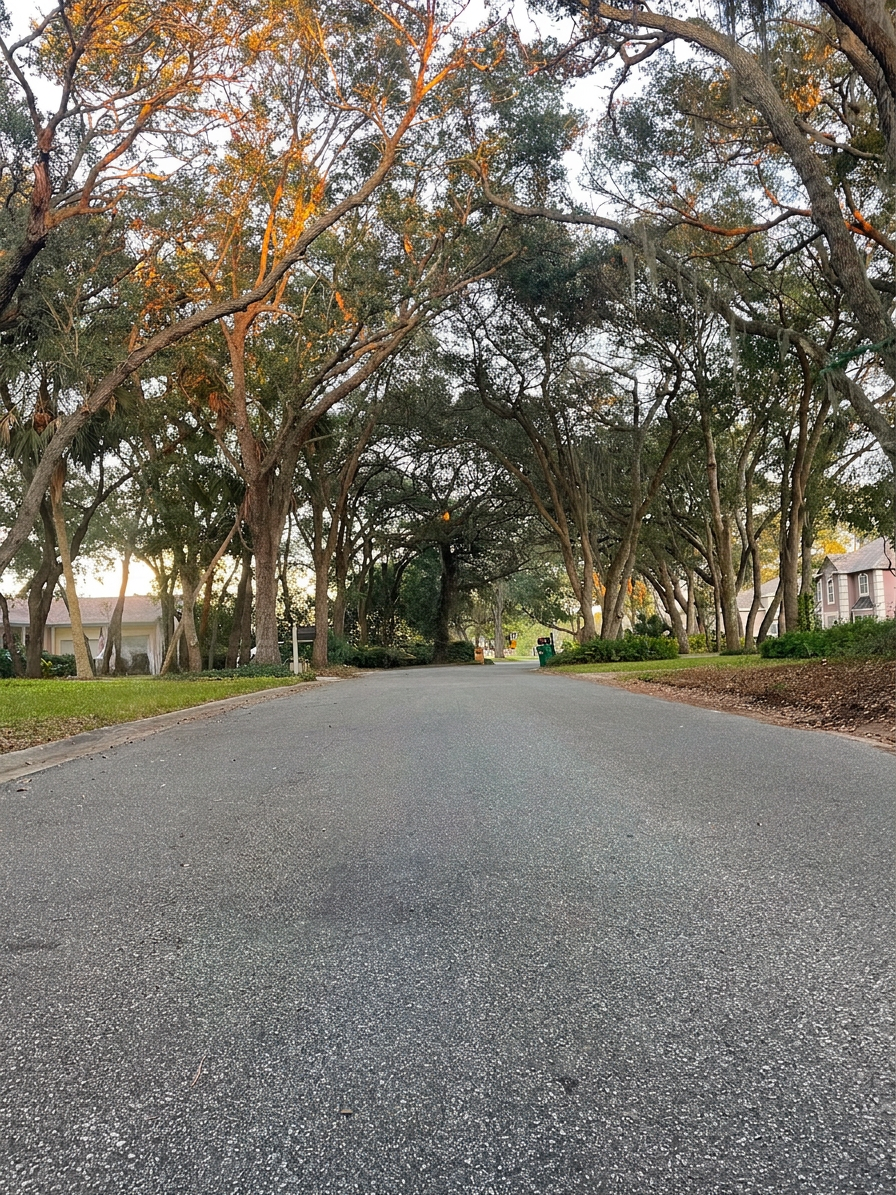
Building a lift stations and surrounding pipes will destroy the historic oak trees all along Oak St, removing the signature oak tree canopy from the neighborhood. When a neighborhood lift station overflows into nearby green spaces, the sudden rush of nutrients (nitrogen and phosphorus) causes severe ecological damage. It triggers rapid algal blooms in neighborhood lakes or retention ponds, which depletes dissolved oxygen levels and kills local fish and aquatic wildlife.

Chemical Spill Hazards
To keep odors down, municipal operators often store heavy deodorizing and treatment chemicals (like calcium nitrate or bio-scavengers) inside the pump house. Housing these industrial-grade chemical tanks in a residential zone creates an unnecessary hazard for chemical spills or toxic runoff during severe weather events like heavy storms or floods.
Upcoming Events
Upcoming Events
 CANCELLED - October Brevard County Board of County Commissioners meetingDate and time is TBDLocation is TBD